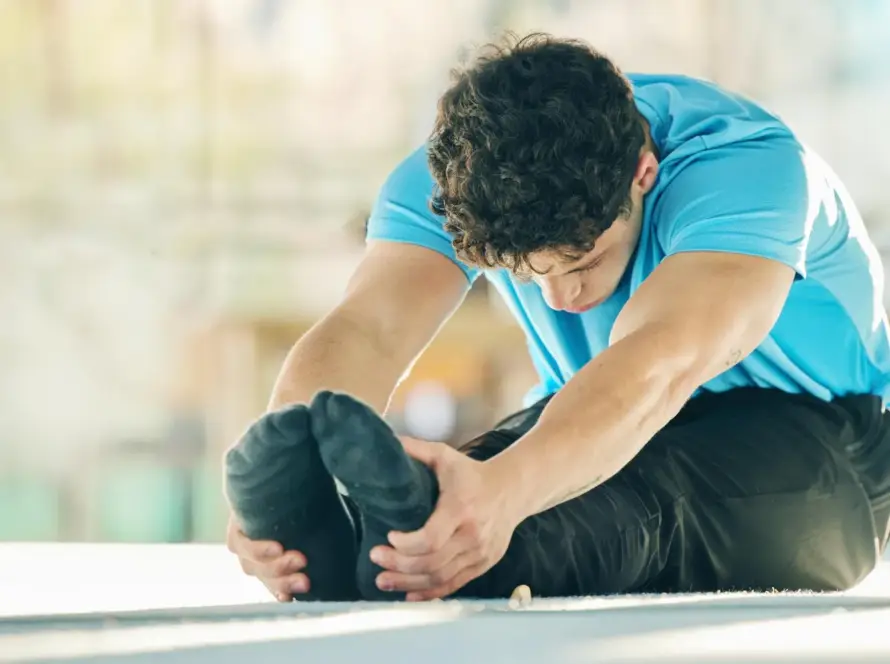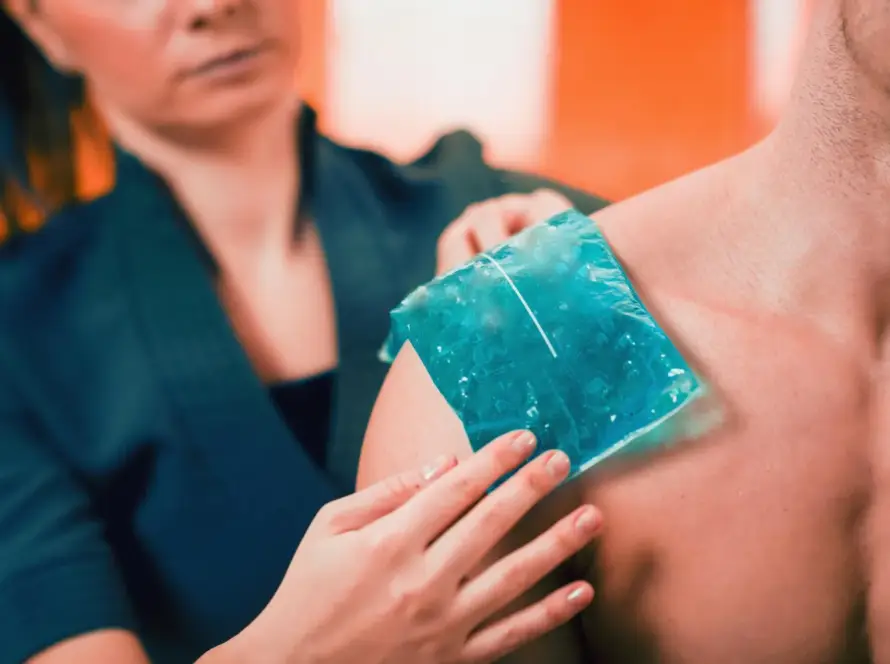
Sports injuries are an unfortunate reality for athletes at every level from weekend warriors to professional competitors. Whether it’s a pulled muscle, a torn ligament, or an overuse injury, sports injury recovery is often the deciding factor between coming back stronger or facing repeated setbacks.
Many athletes focus only on treatment, but true recovery is a process, not an event. Done correctly, it restores strength, confidence, and long term performance. Done poorly, it leads to chronic pain, re-injury, and shortened athletic careers.
This complete guide will walk you through how to recover from sports injuries safely and effectively, using proven recovery strategies, rehab exercises, nutrition, and real-world experience.
What Is Sports Injury Recovery?
Sports injury recovery refers to the structured process of healing the body after physical damage caused by training, competition, or overuse.
Why Proper Recovery Matters for Athletes
Recovery isn’t just about pain relief it’s about restoring strength, mobility, and proper movement patterns after injury. It helps prevent compensations that often lead to new injuries elsewhere in the body. Proper recovery supports long term athletic health and keeps athletes performing consistently. Most importantly, it allows athletes to return to sport with confidence, not hesitation.
-
Restoring strength and mobility
-
Preventing future injuries
-
Protecting long-term athletic health
-
Returning to sport with confidence
Ignoring proper athlete injury recovery often leads to compensations that create new injuries elsewhere in the body.
Short-Term vs Long-Term Recovery
-
Short-term recovery: Pain reduction, swelling control
-
Long-term recovery: Strength, movement quality, injury prevention
True sports injury rehabilitation focuses on both.
Common Sports Injuries Athletes Face
Athletes are exposed to a wide range of injuries due to repetitive stress, high impact movements, and sudden changes in direction or load. Common sports injuries include muscle strains, ligament sprains, tendon injuries, joint instability, and overuse conditions.
Understanding the specific type of injury is critical because each injury requires a different recovery approach. A well guided post injury recovery plan helps restore function, reduce re-injury risk, and ensure a safe, confident return to sport.
Muscle Strains & Tears
Common in hamstrings, quads, calves, and shoulders.
Proper muscle injury recovery requires gradual loading not rest alone.
Ligament Injuries
-
ACL tears
-
Ankle sprains
-
MCL injuries
These injuries often require structured sports rehab exercises.
Tendonitis
Overuse injuries affecting Achilles, patellar, or rotator cuff tendons.
Stress Fractures
Result from repetitive impact and inadequate recovery time.
Overuse Injuries
Often caused by poor programming, lack of rest, or imbalanced training.
The 5 Key Phases of Sports Injury Recovery
A successful sports injury recovery follows clear, structured phases designed to restore function and reduce the risk of re injury. Each phase plays a critical role in helping athletes heal properly, rebuild strength, and safely return to peak performance.
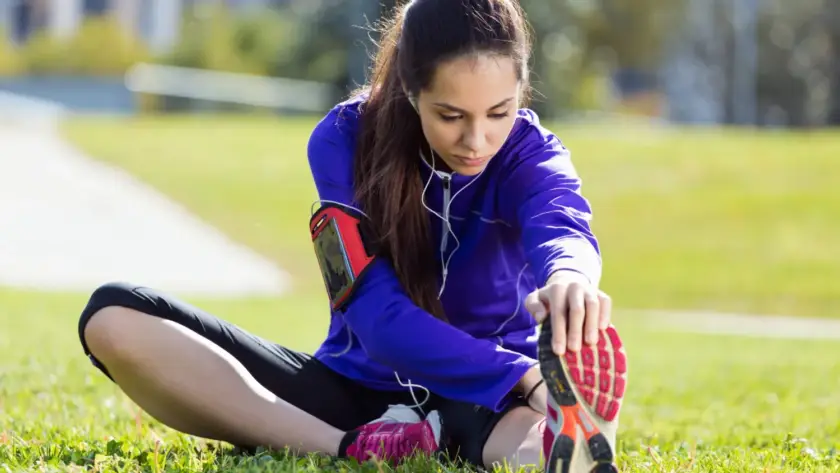
1. Acute Phase (Pain & Swelling Control)
Goals:
-
Reduce inflammation
-
Protect injured tissue
-
Manage pain
This phase sets the foundation for healing sports injuries naturally.
2. Mobility Restoration
Gentle movements restore range of motion without stressing healing tissue.
3. Strength Rebuilding
Progressive resistance training restores muscle function and joint stability.
👉 Long-term strength is key to injury prevention.
👉 How Strength Training Extends Your Lifespan More Than Cardio
4. Functional Training
Sport-specific movements prepare the body for real performance demands.
5. Return-to-Sport Phase
Gradual reintroduction of training intensity, volume, and competition.
Best Recovery Methods for Sports Injuries
Effective recovery after a sports injury requires more than just rest. The best recovery methods focus on reducing pain, restoring movement, rebuilding strength, and correcting faulty movement patterns. A well structured recovery plan helps athletes heal faster, prevent re-injury, and return to sport safely.
RICE Method (Updated View)
Rest, Ice, Compression, Elevation now used selectively rather than excessively.
Active Recovery
Light movement increases blood flow and speeds sports injury recovery time.
Physiotherapy
Guided sports injury rehabilitation improves outcomes significantly.
Mobility & Stretching
Improves joint health and reduces compensation patterns.
Ice vs Heat Therapy
-
Ice: Acute inflammation
-
Heat: Muscle stiffness and chronic tension
Nutrition for Faster Sports Injury Recovery
Recovery doesn’t happen in the gym alone, nutrition for sports injury recovery plays a critical role in how quickly and effectively the body heals. The right injury recovery nutrition helps reduce inflammation, repair damaged tissues, and support muscle recovery after sports injuries.

Protein for Muscle Repair
Essential for tissue regeneration and muscle preservation.
Anti-Inflammatory Foods
-
Fatty fish
-
Berries
-
Turmeric
-
Leafy greens
Vitamins & Minerals
-
Vitamin C: Collagen formation
-
Vitamin D: Bone health
-
Zinc: Tissue repair
Hydration Importance
Dehydration slows healing and reduces nutrient transport.
👉 Fiber-rich foods also support recovery metabolism: High Fiber Diet for Weight Loss
👉 Smart carb choices matter: Healthy Carbs vs Bad Carbs
Exercises That Support Safe Injury Recovery
Exercise is medicine when used correctly. Targeted rehabilitation exercises help athletes restore strength, flexibility, and joint stability after injury. Range of motion drills, strengthening routines, and balance exercises support safe recovery and prevent future injuries. Gradual progression and proper technique are key to returning to sport confidently and performing at your best.
Low-Impact Movements
-
Walking
-
Swimming
-
Cycling
Rehab Exercises
Target injured muscles and stabilizers safely.
Bodyweight Strengthening
Gradual resistance rebuilds confidence and strength.
👉 Safe progression ideas here: Bodyweight Exercises That Actually Work
When to Progress Intensity
Progress only when:
-
Pain-free movement exists
-
Strength symmetry improves
-
Fatigue is manageable
How Long Does Sports Injury Recovery Take?
Sports injury recovery time depends on several factors.
Minor Injuries
-
Muscle strains: 2–6 weeks
-
Mild sprains: 3–4 weeks
Severe Injuries
-
Ligament tears: months
-
Stress fractures: 8–12+ weeks
Factors Affecting Recovery Speed
-
Injury severity
-
Age
-
Nutrition
-
Sleep quality
-
Rehab compliance
Rushing recovery dramatically increases re injury risk.
Common Mistakes That Slow Down Recovery
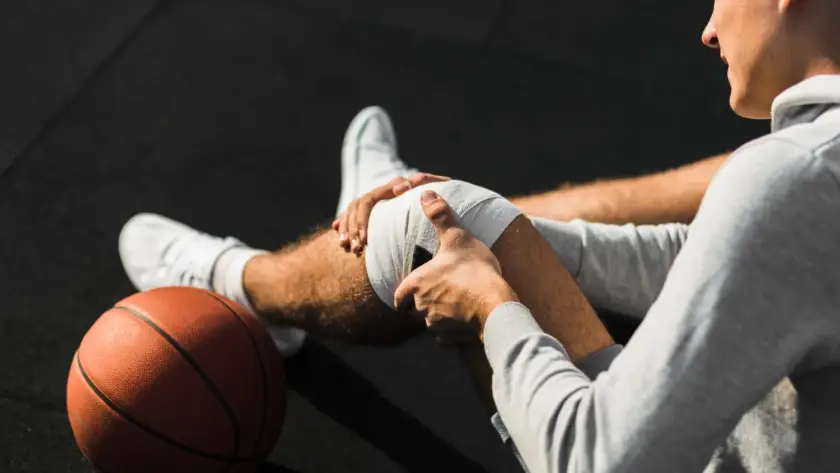
Even motivated athletes make mistakes that can delay healing and increase the risk of re-injury. Rushing back too soon, ignoring proper rehabilitation exercises, neglecting nutrition, and skipping rest are some of the most common errors. Overtraining or returning without full recovery often leads to compensations and new injuries. Avoiding these mistakes ensures faster, safer recovery and a stronger return to sport.
Returning Too Early
Pain free doesn’t always mean healed.
Ignoring Pain Signals
Pain is information not weakness.
Skipping Rehab Exercises
Rehab is non-negotiable for athlete recovery strategies.
Poor Sleep & Nutrition
Sleep is where most tissue repair happens.
👉 Recovery requires energy balance too: 5:2 Intermittent Fasting Method
How to Prevent Future Sports Injuries
Prevention is the final stage of recovery and just as important as healing itself. Proper warm-ups, consistent strength and mobility training, and attention to technique reduce the risk of re-injury. Adequate rest, balanced nutrition, and listening to your body also play a key role. By prioritizing injury prevention, athletes can stay active, perform at their best, and enjoy a long, healthy sports career.
Proper Warm-Up & Cool-Down
Prepares tissues and reduces injury risk.
Strength Training
Stronger muscles protect joints and ligaments.
Flexibility & Mobility
Healthy joints move efficiently under load.
Rest Days & Recovery Planning
Overtraining breaks bodies smart recovery builds them.
👉 Cardiovascular health matters too: What Is VO₂ Max?
👉 High-intensity workouts should be used strategically: 20-Minute HIIT Workout
Recovery Isn’t Optional: A Personal Athlete Story
During my early training years, a hamstring strain sidelined me not because it was severe, but because I rushed back too fast. I skipped rehab, trained through discomfort, and re-injured the same muscle twice.
Only after following a proper sports injury recovery plan mobility work, progressive strengthening, improved nutrition, and adequate rest did the injury fully resolve.
That experience taught me one lesson every athlete must learn:
Recovery is training. Ignore it, and your body will force you to stop.
Recover Smarter, Come Back Stronger
Injuries don’t define athletes how they recover does.
✔ Respect recovery phases
✔ Fuel your body properly
✔ Train intelligently
✔ Prioritize long-term health
A smart sports injury recovery plan doesn’t just heal injuries it builds more resilient athletes.
👉 Explore more expert health guides here: Health & Fitness Care Blogs
Recover with patience, train with purpose, and return stronger than before.
FAQs on Sports Injury Recovery for Athletes
Q1. What is the best way to speed up sports injury recovery?
The best sports injury recovery approach includes proper rest, rehab exercises, good nutrition, and gradual return to activity.
Q2. How long does sports injury recovery usually take?
Recovery time depends on injury type. Minor injuries heal in weeks, while severe injuries may take months with proper rehabilitation.
Q3. Can you exercise during sports injury recovery?
Yes, low-impact and rehab exercises can support recovery, but only under professional guidance.
Q4. What foods help with sports injury recovery?
Protein-rich foods, anti-inflammatory fruits, vegetables, and proper hydration support faster healing.
Q5. How can athletes prevent injuries after recovery?
Athletes should focus on strength training, flexibility, proper warm-ups, and adequate rest to reduce future injury risk.