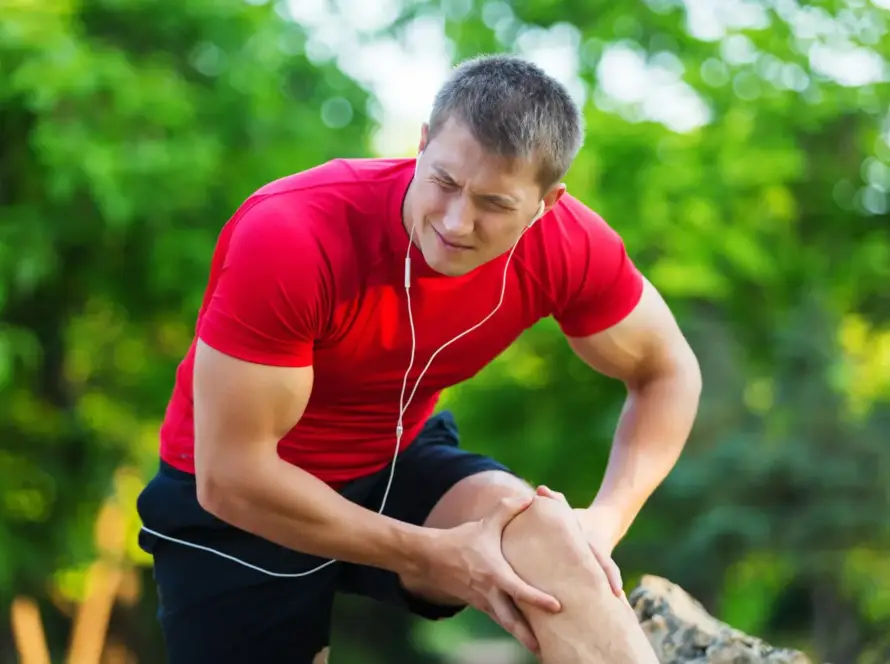
Getting injured is frustrating but what frustrates athletes even more is not knowing how long recovery will actually take. One person recovers in two weeks, while another struggles for months with the same injury. This confusion often leads athletes to rush the process, making things worse. Understanding sports injuries recovery time helps you set realistic expectations, follow the right rehab timeline, and return to training safely without long term damage.
This guide breaks down average healing time for sports injuries, explains the injury healing stages, and shares proven ways to recover smarter, not faster.
Why Sports Injuries Recovery Time Matters
Every sports injury has a biological healing process that cannot be rushed.
Why Healing Time Differs Per Injury
Recovery depends on:
-
Type of tissue injured (muscle, tendon, ligament, bone)
-
Blood supply to the area
-
Severity of damage
-
Quality of rehab
For example, muscles heal faster than ligaments because they have better blood flow.
Risks of Rushing Recovery
Athletes who ignore proper sports injury recovery time often experience:
-
Chronic pain
-
Re-injury
-
Loss of performance
-
Long-term joint damage
Long-Term Damage Risks
Repeated injuries shorten athletic careers. Proper athlete injury recovery protects your future performance, not just today’s training session.
👉 For a full rehab approach, see: Sports Injury Recovery Guide
Factors That Affect Sports Injuries Recovery Time
No two bodies heal at the same speed. These factors play a major role:
Age
Younger athletes usually heal faster due to better circulation and hormone levels.
Nutrition
Protein, healthy carbs, and micronutrients directly impact the injury healing process.
👉 Learn why protein matters: Why Protein Is Essential for Weight Loss and Muscle Growth
👉 Carb quality also matters: Healthy Carbs vs Bad Carbs
Sleep
Most tissue repair happens during deep sleep. Poor sleep = slower recovery.
Injury Severity
Mild strains heal quickly; severe tears take months.
Rehab Quality
Skipping rehab is the fastest way to delay sports rehab timeline.
Fitness Level
Well conditioned athletes often recover faster due to stronger support muscles.
Common Sports Injuries and Their Recovery Time
Below is the average sports injuries recovery time athletes can expect.
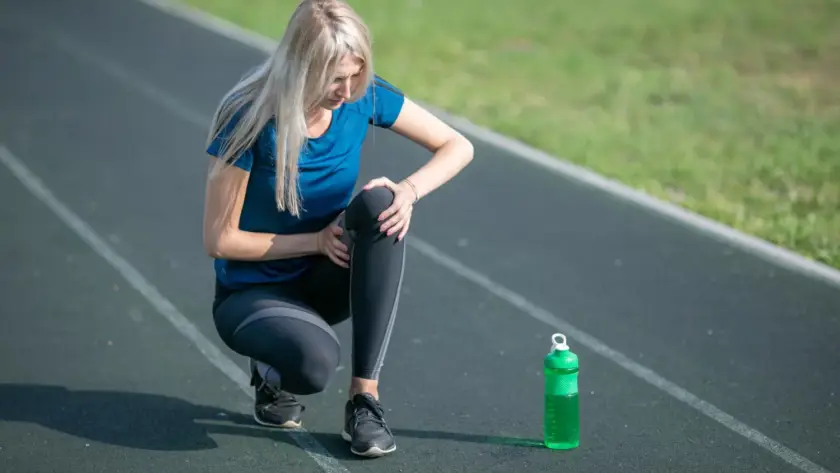
Muscle Strains & Tears
Recovery time for muscle injuries depends on severity:
-
Mild (Grade 1): 1–2 weeks
-
Moderate (Grade 2): 3–6 weeks
-
Severe (Grade 3): 2–3 months
Recovery Time for Common Sports Injuries:
For muscle strains and tears, proper recovery is crucial. While it might seem tempting to rest completely, it’s essential to follow a gradual loading approach to ensure a full recovery. Muscle strain recovery time in sports depends on the injury’s severity, but returning too soon can increase the risk of re-injury.
For sports injury recovery, always remember that the healing process includes progressive rehabilitation and not just complete rest. Each phase should be tailored to the individual’s condition, whether it’s a mild muscle strain recovery time or a more severe injury that requires months of rehabilitation.
Ligament Injuries (ACL, MCL, Ankle Sprain)
Ligaments heal slowly due to limited blood supply.
-
Mild: 2–4 weeks
-
Moderate: 6–12 weeks
-
Severe (ACL tear): 3–9 months
Ligament injury recovery time athletes varies greatly based on rehab discipline.
Tendon Injuries (Tendonitis, Achilles)
Tendon injuries require patience.
-
Average Recovery Time for Tendon Injuries: 4–12 weeks
Ignoring early pain and continuing to push through can often lead to chronic tendon issues, making the recovery process much longer and more complicated.
For tendon injury recovery time in sports, it’s crucial to follow a structured rehabilitation plan to ensure proper healing. Taking the necessary steps early on can prevent long term damage and allow for a safer return to activity.
Stress Fractures
Bone injuries need strict rest and nutrition.
-
Recovery time: 6–8 weeks
Stress fracture recovery time athletes increases if impact activity continues too early.
Joint Injuries (Knee, Shoulder, Wrist)
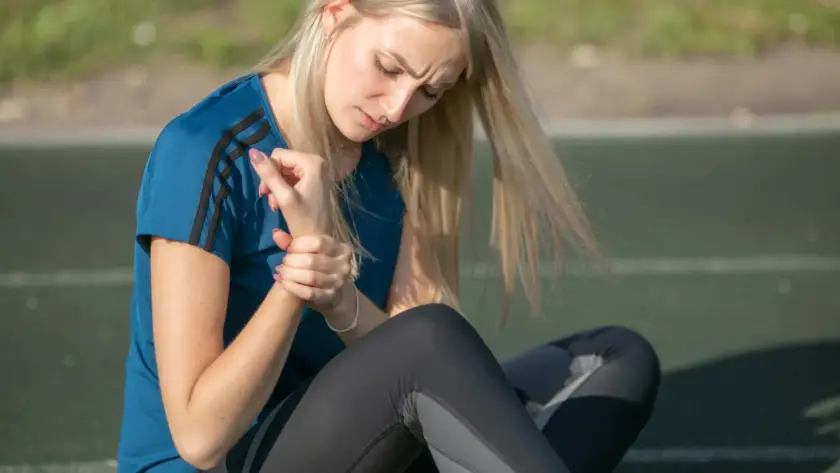
Joint injuries, including those to the knee, shoulder, or wrist, can significantly affect movement patterns, stability, and overall function. These injuries often involve damage to the ligaments, tendons, or cartilage, and can limit mobility, making it harder to perform daily activities or sports. Proper recovery is essential to restore full range of motion and prevent long-term complications.
-
Recovery Time for Joint Injuries: 3–12 weeks
Depending on the severity of the injury, the recovery period can vary. For example:
-
Knee injury recovery time sports: This can depend on the type of knee injury (e.g., ligament sprain or meniscus tear), but generally requires rehabilitation to regain strength and stability.
-
Shoulder injury recovery time sports: Shoulder injuries, such as rotator cuff tears or dislocations, often take time to heal due to the complexity of the joint and its involvement in most movements.
-
Ankle sprain recovery time sports: Ankle sprains, which are common in sports, can range from mild sprains to more severe ligament injuries, with recovery often requiring both rest and rehabilitation exercises.
Healing Stages in Sports Injury Recovery
All injuries follow the same injury recovery phases.
1. Inflammation Phase (0–7 days)
-
Pain
-
Swelling
-
Redness
Goal: protect tissue and control inflammation.
2. Repair Phase (1–6 weeks)
-
New tissue formation
-
Light movement begins
This is where sports injury rehabilitation truly starts.
3. Remodeling Phase (6 weeks–months)
-
Tissue strengthens
-
Movement quality improves
Skipping this phase leads to weakness and re-injury.
How to Speed Up Sports Injury Recovery Safely
You can’t cheat biology but you can optimize it.
Active Recovery
Light movement improves circulation and accelerates healing after sports injury.
Rehab Exercises
Targeted exercises rebuild strength and coordination.
👉 Safe beginner movements: HIIT Workout for Beginners
Physiotherapy
Professional rehab reduces long term complications.
Sleep Optimization
7–9 hours of quality sleep is non-negotiable.
Nutrition Strategies
-
Protein for tissue repair
-
Healthy fats for inflammation control
-
Gut health for nutrient absorption
👉 Improve digestion for faster healing: Fix Your Gut Health – Best Foods & Tips
Common Mistakes That Delay Healing
These mistakes drastically increase how long to recover from sports injuries.
Returning Too Early
Pain-free does not mean healed.
Ignoring Pain Signals
Pain is information, not weakness.
Skipping Rehab
Rehab builds resilience not optional.
Poor Diet
Crash dieting slows sports medicine recovery.
👉 Extreme diets can harm healing: Keto Diet Plan – Pros & Cons
Overtraining
More training ≠ faster recovery.
When to Return to Training After Injury
Returning too early resets your sports injury healing timeline.
Signs You’re Ready
-
No pain during movement
-
Full range of motion
-
Strength symmetry restored
Strength & Mobility Checks
Weak stabilizers = high re-injury risk.
👉 Strength training protects joints: How Strength Training Extends Your Lifespan
Mental Readiness
Fear of movement increases injury risk.
Prevention Tips to Reduce Future Recovery Time
The best way to recover from an injury is by preventing it from happening again. Proper preparation, training, and recovery strategies can reduce the risk of re-injury and speed up your overall recovery process.
Warm-Up Routines
Before engaging in any physical activity, a proper warm-up is essential. It prepares your muscles, joints, and connective tissues for the stress of exercise, reducing the risk of strains and sprains. A good warm-up increases blood flow, enhances flexibility, and primes the body for more intense movements.
Strength Training
Strong muscles are your best defense against injuries. Strengthening muscles, particularly around vulnerable areas like knees, hips, and shoulders, allows them to better absorb shock and handle physical stress. This helps prevent strains, sprains, and joint injuries while also improving overall performance.
Mobility Work
Maintaining healthy joints is key to preventing injuries. Regular mobility work (such as stretching and foam rolling) keeps joints moving efficiently, ensuring that they have the full range of motion needed for athletic performance. This can prevent overuse injuries and help you maintain good posture and movement mechanics.
Recovery Planning
Just as you plan your workouts, you should plan your recovery. Recovery isn’t just about resting; it’s about giving your body the right kind of rest, nutrition, and rehabilitation. Including rest days, stretching, and active recovery techniques like low-intensity exercises or yoga can reduce the risk of overuse injuries and help the body recover faster after training.
👉 Short intense sessions should be balanced: 20-Minute HIIT Workout
What Athletes Learn Too Late
Early in my training journey, I ignored a minor quad strain. It “felt okay,” so I kept training. Two weeks later, the strain became a tear that sidelined me for months.
That experience taught me a powerful lesson:
Respecting sports injuries recovery time saves more time than rushing ever will.
Once I followed a proper injury rehab timeline, focused on sleep, nutrition, and progressive rehab, my recovery became faster and future injuries became rare.
Final Thoughts: Heal Smart, Not Fast
Every athlete wants fast results but smart recovery always wins long term.
✔ Follow healing stages
✔ Respect recovery timelines
✔ Fuel your body properly
✔ Train with patience
Understanding sports injuries recovery time allows you to heal completely, return stronger, and protect your athletic future.
👉 Explore more expert guides here: Health & Fitness Care Blogs
Healing isn’t about speed it’s about strategy.
Common Questions About Sports Injury Recovery Time
Q1. What is the average sports injuries recovery time?
The average sports injuries recovery time depends on injury type and severity. Minor injuries may heal in 1–2 weeks, while severe injuries can take months.
Q2. How long do common sports injuries take to heal?
Most muscle strains heal in weeks, ligament injuries in months, and fractures in 6–8 weeks with proper rehabilitation.
Q3. Can sports injury recovery time be shortened?
Yes, proper rehab, nutrition, sleep, hydration, and physiotherapy can safely improve healing speed.
Q4. Why do some injuries take longer to heal?
Age, poor nutrition, inadequate rest, and returning to activity too soon can delay recovery time.
Q5. When is it safe to return to sports after injury?
It’s safe to return when pain is gone, mobility and strength are restored, and a medical professional approves your recovery.