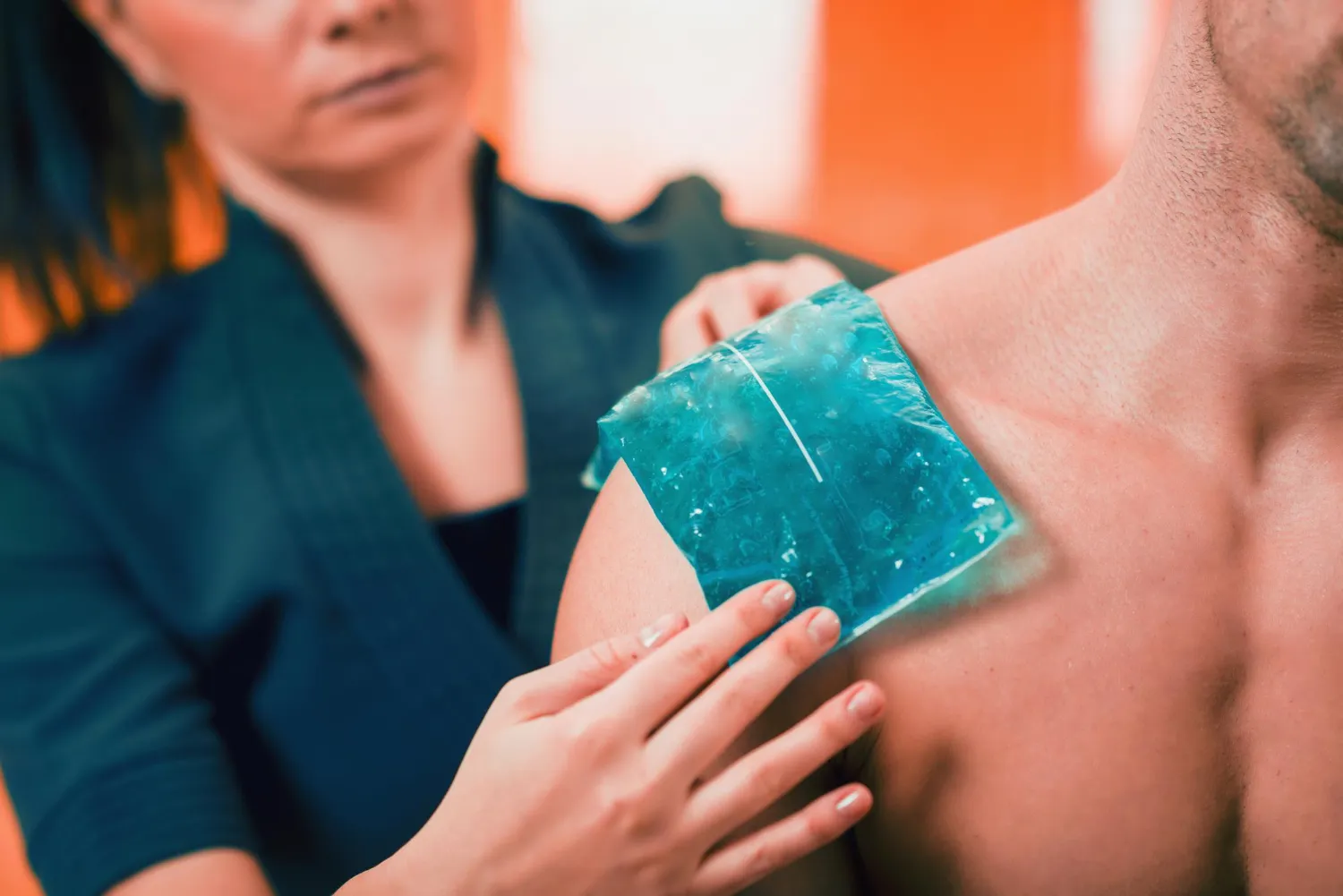
If you’ve ever limped off the field or gym floor, you’ve probably asked the same question I have: Should I use ice or heat? The debate around Ice vs Heat Therapy for Sports Injuries is one of the most common, and misunderstood topics in injury recovery.
I learned this the hard way after a weekend football match. I twisted my ankle, came home, and instinctively grabbed a heating pad for muscle pain because it “felt good.” The next morning, my ankle was twice its size. That mistake taught me more about cold therapy vs heat therapy than any textbook ever could. Timing matters. Context matters. And knowing when to use ice or heat for injuries can literally cut your recovery time in half, or double it if you get it wrong.
In this guide, I’ll break down exactly how ice therapy for sports injuries and heat therapy for sports injuries work, when to use each, how to combine them safely, and how to avoid common mistakes, plus a simple decision rule you can follow every time.
Understanding Ice and Heat Therapy (The Basics)
As a sports rehab writer who has worked closely with athletes and physiotherapists, I’ve seen firsthand how often ice and heat are used incorrectly. Both therapies are simple, affordable, and evidence-backed, but only when applied at the right time. Understanding why ice or heat works helps you recover faster and avoid making an injury worse. This foundation is essential before choosing between ice vs heat therapy for sports injuries.
What is Cryotherapy (Ice Therapy)?
Cryotherapy for injury recovery uses cold (ice packs, cold compresses, ice baths) to reduce pain and swelling. Inflammation and cold therapy go hand in hand: cold constricts blood vessels, which helps with swelling reduction ice therapy in the early stages of injury.
Common forms include:
-
Ice pack for sports injury
-
Cold compress for swelling
-
Cold showers or ice baths (with caution)
What is Thermotherapy (Heat Therapy)?
Thermotherapy for muscle pain uses warmth (heating pads, warm towels, hot showers) to relax muscles and increase blood flow. Heat therapy for muscle stiffness is especially helpful for chronic tightness and spasms.
Common tools:
-
Heat pad for muscle pain
-
Warm compress
-
Hot showers
How Both Affect Muscles, Joints, and Blood Flow
Cold limits blood flow to control swelling. Heat increases blood flow to promote relaxation and nutrient delivery. This is why muscle recovery ice vs heat depends on whether your problem is swelling or stiffness.
Ice vs Heat Therapy for Sports Injuries – Key Differences
From my experience working around sports recovery content and speaking with injury specialists, this is where most people get confused, and make mistakes. Ice and heat aren’t interchangeable; they serve completely different purposes at different stages of healing. Using ice on a swollen ankle can speed up recovery, while using heat there can actually worsen inflammation. Once you understand this key difference, choosing the right therapy for sports injury recovery becomes much easier and safer.
-
Ice reduces inflammation: Best for fresh injuries.
-
Heat relaxes muscles: Best for tight, stiff, or chronic pain.
-
Short-term vs long-term relief: Ice calms acute pain; heat improves long-term mobility.
Quick rule of thumb:
👉 Acute injury + swelling = ice
👉 Chronic tightness + stiffness = heat
This simple distinction helps with choosing the best therapy for sports injury recovery.
When to Use Ice Therapy for Sports Injuries
Use ice therapy for acute sports injuries within the first 24–72 hours.
Best for:
-
Swelling, inflammation, bruising
-
Ankle sprain
-
Muscle tear
-
Impact injuries
This is where ice therapy for sports injuries shines. It’s your first line of sports injury home treatment.
How long to ice a sports injury:
-
15–20 minutes
-
2–4 times per day
Always wrap ice in a cloth to avoid skin damage.
When to Use Heat Therapy for Sports Injuries
Use heat therapy for chronic muscle pain and stiffness once swelling has gone down.
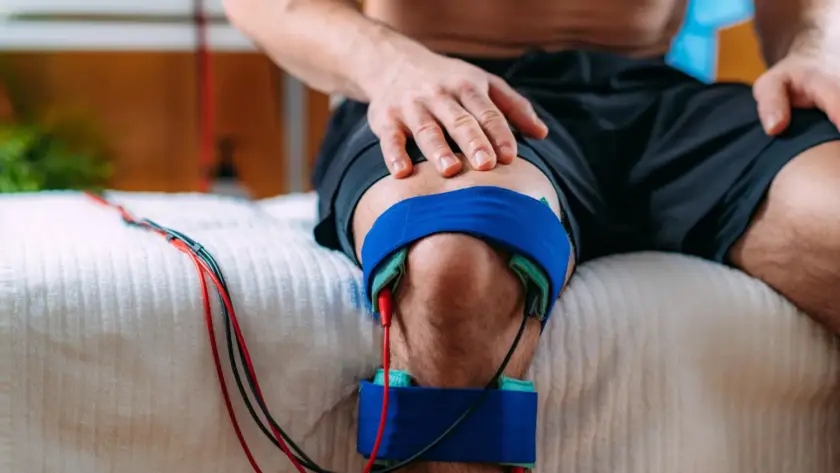
Best for:
-
Muscle tightness & spasms
-
Pre-workout warm-up
-
Chronic joint stiffness
Heat is ideal before rehab exercises, especially when following a structured sports injury recovery guide or a natural sports injury recovery time approach.
How long to apply heat safely:
-
15–20 minutes
-
1–2 times per day
Ice vs Heat Therapy for Common Sports Injuries
Muscle Strain – Ice or Heat?
-
Fresh strain = ice or heat for muscle strain? Ice first.
-
Tightness days later = heat.
Ligament Sprain – Ice or Heat?
-
Ice vs heat for ankle sprain: Ice for swelling in the first days; heat later for stiffness.
Tendon Injuries – Ice vs Heat
-
Ice or heat for tendon injury: Ice during flare-ups, heat for chronic stiffness.
Lower Back Pain – Ice or Heat Therapy?
-
Acute pain = ice
-
Chronic stiffness = heat
Knee & Shoulder Injuries – What Works Best?
-
Heat vs ice for knee pain: Swelling = ice; stiffness = heat.
-
Ice vs heat for shoulder pain: Depends on inflammation vs tightness.
Can You Combine Ice and Heat Therapy?
Yes, this approach is known as contrast therapy, and I’ve seen it used effectively in later stages of sports recovery under professional guidance. The idea is simple: ice helps control residual inflammation, while heat improves blood flow and muscle relaxation. When acute swelling has settled, alternating cold and heat can support circulation and reduce lingering stiffness. However, it’s important to use this method carefully, doing it too early or on a swollen injury can slow healing instead of helping it.
Cold therapy vs heat therapy for recovery can be combined like this:
-
Ice for 10 minutes
-
Heat for 10 minutes
-
Repeat 2–3 cycles
This helps circulation and can enhance injury recovery methods, but only after acute swelling subsides.
Common Mistakes with Ice and Heat Therapy
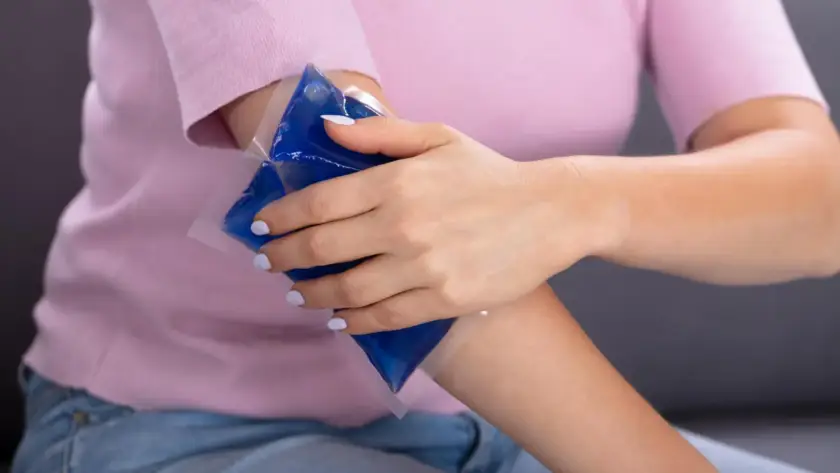
-
Using heat on fresh swelling
-
Icing for too long
-
Applying directly on skin
-
Ignoring pain signals
These mistakes are why people feel ice vs heat for swelling and pain “doesn’t work” it works when used correctly.
Natural Recovery Tips to Boost Ice & Heat Results
Ice and heat are tools, not magic fixes. Recovery improves when you combine them with:
-
Rest and sleep: Quality sleep is huge (see the role of recovery and rest in performance discussed in sleep & recovery science topics).
-
Anti-inflammatory nutrition: Protein-rich meals and balanced carbs support tissue repair.
-
Gentle mobility exercises: Light movement improves circulation.
-
Hydration for tissue recovery: Dehydration slows healing.
What Worked Better for My Injury
During a shoulder strain, I alternated ice and heat randomly, thinking “more is better.” It wasn’t. Swelling lingered. Once I followed a proper timeline, ice in the first two days, heat later, pain dropped faster. That experience reshaped how I approach pain relief for sports injuries and injury recovery methods.
I now pair ice/heat with a structured recovery plan like those outlined in sports injuries recovery time resources and simple rehab routines. The difference in healing speed was noticeable.
Final Verdict: Ice vs Heat Therapy – Which Is Best?
There’s no one-size-fits-all answer. The best choice depends on timing and symptoms:
-
Acute injury + swelling = Ice therapy for sports injuries
-
Chronic tightness + stiffness = Heat therapy for sports injuries
Simple decision rule:
👉 Swollen and hot? Ice.
👉 Tight and stiff? Heat.
Listen to your body, follow smart recovery plans like those in a trusted sports injury recovery guide, and don’t hesitate to seek professional advice when pain persists.
FAQs: Ice vs heat therapy for sports injuries
Q1. Ice vs heat therapy for sports injuries: which is better?
Ice vs heat therapy for sports injuries depends on the injury stage, Ice works best for fresh injuries with swelling, while heat is better for chronic stiffness and muscle tightness.
Q2. When should I use ice therapy for sports injuries?
Use ice therapy for sports injuries within the first 24–72 hours to reduce inflammation, swelling, and pain from acute injuries.
Q3. When is heat therapy better for sports injuries?
Heat therapy for sports injuries is best for chronic pain, muscle tightness, and stiffness, especially before stretching or rehab exercises.
Q4. Can I use both ice and heat for injury recovery?
Yes, alternating ice and heat (contrast therapy) can improve circulation and muscle relaxation when swelling has gone down.
Q5. How long should I apply ice or heat for injury recovery?
Apply ice for 15–20 minutes and heat for 15–20 minutes, 2–3 times daily, with a cloth barrier to avoid skin damage.