Intermittent fasting sounds simple on paper: eat within a set time window, fast the rest of the day, and watch the weight come off. But for most beginners, reality hits hard within the first few days. Hunger pangs, low energy, and constant cravings make many people give up early. The good news? It is possible to practice intermittent fasting without feeling hungry if you understand how your body works and follow the right approach. In this blog, we’ll break down practical, beginner friendly strategies to help you fast comfortably and stay consistent without feeling deprived.
Hunger. Cravings. Low energy. Mood swings.
That’s why so many people quit early and say:
“Intermittent fasting isn’t for me.”
The truth is intermittent fasting without feeling hungry is absolutely possible, if you do it the smart way.
I’ve personally gone through the hunger phase, coached beginners who struggled with fasting appetite control, and studied how hormones like ghrelin and insulin actually behave during fasting. Hunger isn’t a failure it’s usually a signal that something is wrong with your approach.
This guide will show you how to do intermittent fasting without hunger, safely, sustainably, and realistically.
Why Hunger Is the Biggest Challenge in Intermittent Fasting
Why Beginners Feel Extreme Hunger
Most beginners experience hunger because they:
-
Under-eat during their eating window
-
Choose low-quality, low-protein foods
-
Jump into long fasts too quickly
-
Ignore sleep and stress
This leads to intermittent fasting hunger problems, especially in the first week.
Hormones Explained Simply: Ghrelin & Insulin
-
Ghrelin = hunger hormone
-
Insulin = fat-storage hormone
When you eat frequently, insulin stays high and ghrelin spikes often. During fasting, insulin drops but ghrelin spikes temporarily out of habit, not because you actually need food.
👉 This is why hunger during intermittent fasting is often mental and hormonal, not physical starvation.
Why Fasting Felt Impossible at First
When I first tried fasting, I made a classic mistake: I ate too little, avoided fats, skipped protein, and then wondered why hunger was unbearable.
Once I fixed meal quality, hunger dropped dramatically even during longer fasts.
What Is Intermittent Fasting and How It Works
Intermittent fasting is not starvation. It’s a structured way of eating that allows your body to:
-
Lower insulin
-
Burn stored fat
-
Improve metabolic flexibility
Popular Intermittent Fasting Methods
-
12:12 – Very beginner-friendly
-
14:10 – Best balance of results + low hunger
-
16:8 – Effective but not ideal for day-one beginners
👉 If your goal is fasting without hunger, 14:10 is the safest starting point.
For a full beginner breakdown, read:
🔗 Intermittent fasting for beginners
Can You Do Intermittent Fasting Without Feeling Hungry?
Yes — scientifically and practically.
When I first started, I ate too little, avoided fats, and skipped protein, which made hunger unbearable. Once I focused on proper protein, healthy fats, and whole foods, hunger dropped dramatically even during longer fasts. Intermittent fasting without feeling hungry is absolutely possible when your body is properly fueled, not when you rely on willpower alone.
Science-Backed Truth
Hunger comes in waves, not straight lines. Ghrelin rises at your usual meal times, then falls even if you don’t eat.
Hunger vs Habit
Most hunger is:
-
Habit-based
-
Emotion-based
-
Triggered by sugar & refined carbs
Not real energy deficiency.
Timeline: First 7–14 Days
-
Days 1–4: Hunger spikes (normal)
-
Days 5–10: Appetite starts stabilizing
-
Days 10–14: Hunger control improves significantly
If hunger keeps worsening after two weeks, your fasting setup is wrong.
Best Intermittent Fasting Schedule to Avoid Hunger

Best Fasting Window for Beginners
✔ 14:10 fasting schedule for beginners
✔ Eat earlier in the day if possible
✔ Avoid skipping protein-rich meals
Morning vs Evening Fasting
-
Skipping late night snacking reduces hunger
-
Early dinner + later breakfast works better hormonally
When to Shorten Your Fast
Shorten your fast if you experience:
-
Dizziness
-
Brain fog
-
Uncontrollable cravings
-
Poor sleep
Consistency matters more than fasting length.
What to Eat to Stay Full While Intermittent Fasting
Food quality determines whether you experience fasting without hunger or constant cravings.
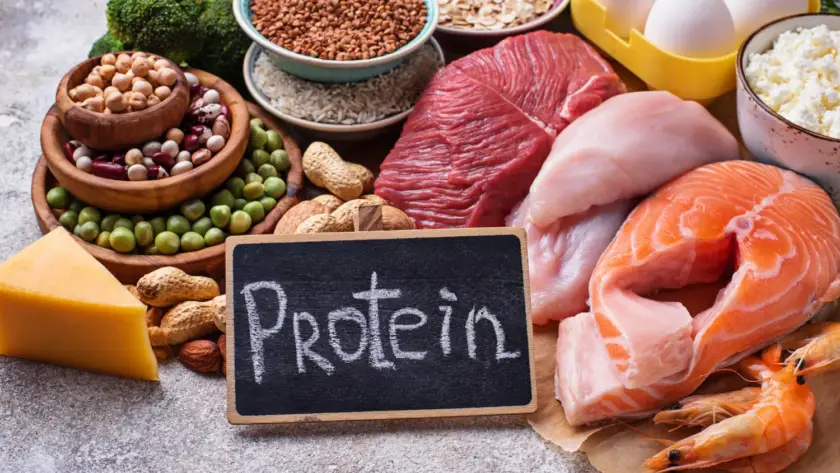
High Protein Foods (Non-Negotiable)
Protein reduces ghrelin and preserves muscle.
-
Eggs
-
Greek yogurt
-
Chicken, fish
-
Lentils
Fiber Rich Foods (Hunger Control Foods)
Fiber slows digestion and stabilizes blood sugar.
-
Vegetables
-
Oats
-
Seeds
-
Beans
Healthy Fats That Suppress Hunger
-
Olive oil
-
Nuts
-
Avocado
Foods That Make Fasting Harder
-
Sugary snacks
-
Refined carbs
-
Liquid calories
Hunger is often caused by poor food choices, not fasting itself.
Drinks That Control Hunger During Fasting
I always keep a big bottle handy, and sometimes a pinch of salt or a splash of lemon makes a noticeable difference in keeping my energy steady. Unsweetened herbal teas and black coffee have been lifesavers, especially during the first few days when hunger hits hardest. I’ve learned to avoid anything sweet, even “healthy” juices, because they spike cravings and make fasting harder.

Allowed Drinks (Hunger Control)
✔ Water
✔ Black coffee
✔ Green tea
These help appetite suppression without breaking a fast.
Electrolytes Explained
Low sodium can cause:
-
Fatigue
-
Headaches
-
False hunger
I noticed that even a little salt in my water helped reduce fatigue and hunger during fasting.
Drinks That Secretly Break a Fast
❌ Flavored coffee
❌ Fruit juices
❌ Sweetened teas
Common Intermittent Fasting Mistakes That Increase Hunger
Many hunger issues come from these mistakes:
-
Eating too few calories
-
Skipping protein
-
Overdoing fasting duration
-
Not sleeping enough
Read a full breakdown here:
🔗 Intermittent fasting mistakes
Sleep is especially important — lack of sleep increases ghrelin dramatically:
🔗 Sleep & weight loss Connection
How Long Does Hunger Last in Intermittent Fasting?
First Week
Hunger is mostly habitual.
After Adaptation
-
Hunger waves shorten
-
Energy stabilizes
-
Cravings reduce
When Hunger Means Something Is Wrong
-
Constant fatigue
-
Weakness
-
Binge urges
These signal poor nutrition or excessive fasting.
Intermittent Fasting Without Hunger for Weight Loss
Fat Loss vs Starvation
Fasting should burn fat — not muscle.
Muscle Protection Tips
-
Eat enough protein
-
Include resistance training
Helpful workouts:
🔗 Best fat burning exercises
🔗 Top bicep workouts at home
🔗 HIIT workouts for weight loss
Why Slow Results Are Better
Fast weight loss often = muscle + water loss.
Sustainable fasting gives long-term results.
Is Intermittent Fasting Safe Without Hunger for Everyone?
Intermittent fasting safety matters.
Who Should Avoid IF
-
Pregnant women
-
People with eating disorder history
-
Uncontrolled diabetes
-
Severe hormonal issues
Women may need:
-
Shorter fasting windows
-
Higher calorie intake
-
More focus on sleep & stress
Stop fasting if hunger becomes painful or obsessive.
Final Thoughts: The Smart Way to Fast Without Starving
Intermittent fasting without feeling hungry is not a myth it’s a skill.
✔ Start slow
✔ Eat real food
✔ Respect sleep
✔ Adjust, don’t force
Fasting should feel empowering, not painful.
If you’re serious about long-term health, bookmark this guide before starting intermittent fasting.
Explore more expert-backed guides here:
🔗 Health and fitness blogs