
If there is one debate that never ends in the fitness world, it’s strength training vs cardio. For years we’ve been told, “Cardio is the healthiest exercise,” “Running is the key to long life,” or “Walking is the best exercise for heart health.”
But recent research shows something surprising:
👉 Strength training may extend your lifespan more than cardio.
Of course, cardio has great benefits especially Zone 2 training but when it comes to longevity, muscle mass, strength, and resistance training matter even more.
I learned this personally when I started lifting weights consistently. My energy improved, joint pain reduced, and even my health markers (blood sugar, resting heart rate, sleep quality) improved more than they ever did with pure cardio. Over time, I understood why experts say muscle is “the organ of longevity.”
In this blog, I’ll break down the science behind strength training, how lifting helps you live longer, why muscle mass and longevity are directly linked, and how much training you truly need.
What Research Says About Longevity and Exercise
Dozens of studies show that both cardio and strength training increase lifespan but strength training reduces mortality risk at a significantly higher rate.
Scientific Findings
Research published in the British Journal of Sports Medicine reports that:
-
Strength training reduces early mortality by 20–30%
-
Cardio reduces early mortality by 15–20%
-
Combining both gives the BEST protection
Another study found that muscle strength and long term health have a direct connection — weak muscles are linked to faster aging, higher inflammation, and higher disease risk.
Cellular & hormonal effects
Strength training triggers:
-
Higher mitochondrial efficiency (slower cellular aging)
-
More growth hormone
-
Increased testosterone in both men and women
-
Improvements in insulin sensitivity
-
Lower chronic inflammation
These are the same biological markers associated with living longer.
Mortality Risk
We even have evidence that strength training reduces mortality risk independent of cardio.
That’s why many researchers now say the healthiest type of exercise for longevity includes consistent resistance training.
Why Strength Training Extends Your Lifespan More Than Cardio
Here’s where strength training truly stands out.

A. Boosts Muscle Mass A Key Longevity Marker
One of the strongest predictors of lifespan is muscle mass and longevity.
After age 30, you naturally lose 3–8% of muscle every decade this condition is called sarcopenia, and it’s directly linked to:
-
Frailty
-
Poor mobility
-
Higher fall risk
-
Faster aging
-
Shorter lifespan
Strength training prevents sarcopenia better than any other exercise.
Strong muscles also keep you functional and independent as you age which is one of the most important indicators of long term health.
B. Improves Metabolic Health (Better Than Cardio)
When comparing strength training vs cardio lifespan benefits, strength training wins in metabolic health.
Strength training improves:
-
Blood sugar stability
-
Insulin sensitivity
-
Fat-burning at rest
-
Basal metabolic rate (BMR)
It allows you to burn extra calories without doing anything even while resting.
This is also why people who lift weights find it easier to lose fat and keep it off far more than those who rely only on cardio.
C. Strengthens Bones and Prevents Age-Related Decline
Weak bones = higher risk of fractures = shorter lifespan.
Strength training increases:
-
Bone density
-
Joint stability
-
Mobility
-
Balance
Women especially benefit because they’re more prone to osteoporosis.
D. Enhances Hormonal Balance
Lifting weights boosts the hormones responsible for:
-
Longevity
-
Metabolism
-
Fat burning
-
Energy
-
Mood regulation
This includes:
-
Testosterone
-
Growth hormone
-
IGF-1
It also lowers cortisol (stress hormone) and inflammation.
This is why strength training for anti aging is gaining popularity globally.
E. Improves Heart Health in a Different Way Than Cardio
Cardio directly trains the heart but strength training supports heart health differently:
-
Lowers resting blood pressure
-
Improves LDL/HDL cholesterol
-
Reduces visceral fat
-
Improves vascular elasticity
This is why strength training for heart health and long lifespan is now recommended even for older adults.
F. Reduces the Risk of Age-Related Diseases
Strength training helps prevent:
-
Heart disease
-
Diabetes
-
Obesity
-
Alzheimer’s
-
Cognitive decline
-
Inflammation
-
Metabolic syndrome
Because muscle acts as a glucose storage tank, it keeps your blood sugar stable, which is critical for long-term health.
This makes resistance training one of the top exercises for preventing age related diseases.
Cardio Still Matters But Not as Much as Strength Training
Cardio isn’t useless far from it.
Zone 2 cardio especially improves VO2 max, which is a powerful longevity marker.

Cardio is still great for:
-
Heart endurance
-
Stress reduction
-
Better sleep
-
Calorie burn
-
Mental health
But cardio alone doesn’t prevent muscle loss, which is why strength training is more valuable for long-term health.
Best Mix for Longevity:
-
Strength training: 3 days per week
-
Zone 2 cardio: 2–3 times per week
-
Walking: daily
This combination gives the best long term results for strength training vs cardio for long term health.
How Much Strength Training Do You Need for Longevity?
Research says you need surprisingly little to get huge benefits.
Minimum Effective Dose
-
2 sessions per week
-
30–45 minutes each
-
Full-body workouts
That’s it.
Even beginners can see massive strength training benefits for longevity with this routine.
Ideal Longevity Routine
-
Push exercise
-
Pull exercise
-
Squat movement
-
Hip hinge movement
-
Core training
If you want simple follow along workouts, try these resources:
Best Strength Training Exercises for a Longer Life
To get the full resistance training benefits, you don’t need fancy machines or heavy weights. Even simple compound lifts and bodyweight movements can dramatically improve your lifespan by strengthening muscles, bones, metabolism, and heart function.
Best Strength Training Exercises for Longevity
These exercises are scientifically proven to be the best strength training exercises for longevity:
1. Squats
Bodyweight or weighted, squats strengthen:
-
Legs
-
Hips
-
Core
-
Bones
Squats improve mobility, balance, and functional independence — all key predictors of long-term health.
2. Deadlifts
Deadlifts train:
-
Back
-
Glutes
-
Hamstrings
-
Grip strength
Grip strength alone is one of the strongest markers of long lifespan.
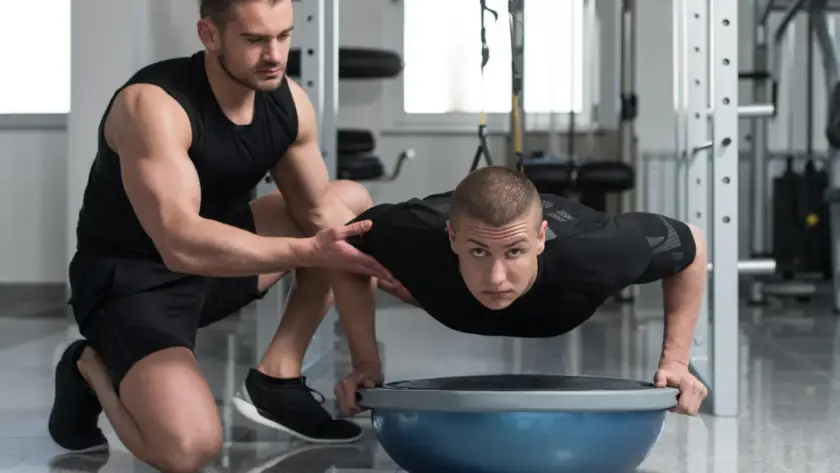
3. Push-Ups
Push-ups train:
-
Chest
-
Triceps
-
Shoulders
-
Core
A fantastic movement for anti-aging because it can be modified for any age.
Try the beginner guide here: Best Shoulder exercises at home
4. Pull-Ups or Rows
Build upper body and back strength, reducing posture issues and aging-related weakness.
5. Planks
Core stability reduces back pain, improves mobility, and enhances long-term physical performance.
More core options here: Top abs exercises at home
6. Lunges
Build unilateral strength and prevent balance decline.
How Strength Training Transformed My Energy, Mood, and Body
About six years ago, I was doing only cardio running, cycling, walking, sometimes 40 minutes a day. My stamina improved, but surprisingly:
-
I felt weak
-
My posture was getting worse
-
I still had back pain
-
My body fat didn’t change much
-
I looked “skinny but soft”
Everything changed when I added strength training.
Within 8–12 weeks:
-
My energy doubled
-
My metabolism felt faster
-
I started sleeping better
-
My cravings went down
-
My joints felt more stable
-
And my body actually looked firmer & younger
But the biggest change came from my blood sugar levels and mood both improved more from lifting weights than from years of cardio.
I realized firsthand how lifting weights helps you live longer because you feel the results before you see them.
Even today, I do strength training 3–4 times a week and encourage everyone especially beginners to start with simple home workouts like these bodyweight exercises that actually work.
Strength training didn’t just change my physique it changed my quality of life.
8. Strength Training for Different Age Groups
Longevity benefits apply to every age but the approach is slightly different.
A. In Your 20s and 30s
This is the perfect moment to strengthen your base.
Focus on:
-
Compound lifts
-
Building lean muscle
-
Increasing strength
-
Preventing early muscle loss
This sets you up for longer-term health and a stronger metabolism.
B. In Your 40s and 50s
This is when sarcopenia (muscle loss) begins accelerating.
Priorities:
-
Lifting 2–3 times a week
-
Maintaining muscle
-
Improving balance and posture
-
Preventing belly fat buildup
-
Supporting hormone health
Strength training becomes essential rather than optional in this age range.
C. 60s and Above
Strength training for older adults is scientifically proven to:
-
Slow aging
-
Reduce mortality risk
-
Improve mobility
-
Strengthen bones
-
Boost memory and cognitive function
-
Prevent falls
Even light resistance training bands, bodyweight, light dumbbells can transform long term health.
9. Common Myths About Strength Training and Aging
Let’s clear some misconceptions.
Myth 1: “Lifting is dangerous for older people.”
Reality:
Research shows the opposite strength training reduces injury risk, increases joint stability, and improves balance.
Myth 2: “Cardio is enough for heart health.”
Reality:
Cardio is important, but strength training lowers blood pressure, improves cholesterol, and reduces visceral fat in unique ways cardio cannot.
Check the cardio guide here for balance: Zone 2 cardio benefits
Myth 3: “Strength training makes you bulky.”
Reality:
You will become leaner, stronger, healthier not bulky unless you actively train like a bodybuilder.
Myth 4: “I’m too old to lift weights.”
Reality:
Even 70 and 80 year old’s can start and see massive improvements in lifespan.
Strength training benefits for older adults longevity are scientifically proven.
Why Strength Training Helps You Live Longer
By now, the research is clear:
- Strength training increases lifespan significantly
- It reduces mortality risk more than cardio
- It strengthens bones, metabolism, muscles, heart, and hormones
- It helps prevent age related diseases and keeps you independent
Strength training vs cardio is not a competition both are essential but when the goal is living longer, moving better, preventing disease, and slowing aging…
👉 Strength training wins.
If you’re a complete beginner, start with simple home workouts:
->Top biceps workouts at home and explore all health & fitness blogs here.
And if you want to improve fat loss along with longevity, this guide helps:
-> Best snacks for weight loss without feeling hungry